




On 11 February 2027, ISTT will host an Educational Webinar titled "Urban Subsurface Engineering – Towards a Responsible and Accountable Future," presented by Chris Rogers, Emeritus Professor of Geotechnical Engineering at the University of Birmingham.
| Title: | Urban Subsurface Engineering – Towards a Responsible and Accountable Future | |
| Date & Time: | 11 February 2027, 14:00-15:00 GMT (15:00-16:00 CET / 09:00-10:00 EST) | |
| Platform: |
 This webinar will be held via Zoom Meeting. The Zoom link is for registered attendees only and will be sent to registrants in the confirmation email. Please do not share the link with others. |
|
|
Speakers: |
Chris Rogers, University of Birmingham, UK |
|
| Fee & Recording | Free of charge. Recording is available only to ISTT members. The presentation file will be available for purchase for $10 for non-members and free for ISTT members. | |
Overview
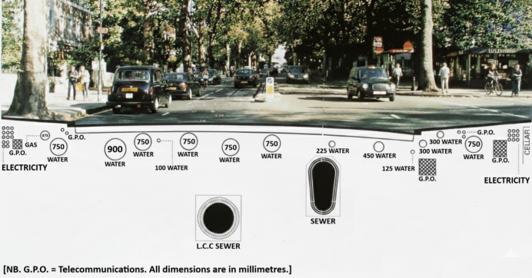
Urban infrastructure systems are critical enablers of the way that we live, work and take our leisure. No matter the size and nature of the place, all will typically have physically interdependent transport and utility infrastructure systems. When engineering in this complex context, we assume a plethora of responsibilities: to the organizations that employ us, to those who govern the places in which the works are carried out, to those who own and operate the infrastructure systems, to the users of the infrastructure systems (who ultimately pay for them) and to society, the environment and the economy more generally. It is vital, therefore, that we acknowledge these responsibilities, act diligently and be held accountable. This can only happen in full knowledge of the magnitude and extent of the impact caused by our engineering works.
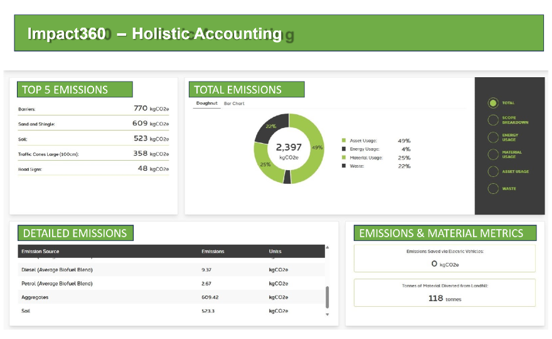
This presentation will focus on a tool – Impact360 – that makes transparent the full consequences of urban subsurface engineering works. It can be used in two ways. Retrospective analysis looks back at completed works to assess what actually happened: How much carbon was produced? What social and business disruption was caused? What can be learned? How should that evidence shape future planning? Optioneering looks forward so different delivery options can be compared – for example, comparing trenching with minimum-dig and trenchless methods, different traffic management arrangements, equipment types and how they are powered, material choices, timings of site operations and so on. Unsurprisingly, trenchless operations usually fare well in such analyses.
Speakers

Chris Rogers
Emeritus Professor of Geotechnical Engineering, University of Birmingham
Chris researches sustainability, resilience and liveability of cities, infrastructure and urban systems, and how systemic changes can be designed and implemented to realise greatest value. He focusses on the ‘urban metabolism’ (all the flows into, around and out of cities), buried infrastructure and utility services, trenchless technologies, use of underground space and infrastructure systems’ interdependencies. He founded Trenchless Technology Research (now incorporated into Tunnelling and Underground Space Technology). A Lead Expert of the UK Government Foresight Future of Cities project, and founder member and Deputy Convenor of the UK Collaboratorium for Research on Infrastructure and Cities (UKCRIC) and a member of the UK’s Department for Transport College of Experts, he is the lead author of The Little Book of the Theory of Change for Street and Road Works.